Table of Contents
You’re searching for a die cast dirt bike toy because you want something more substantial than those flimsy plastic toys that break within weeks. You need something that feels authentic, has some weight to it, and can withstand actual play—not just sit on a shelf. As someone who’s tested dozens of toy motorcycles with my own kids and for collector purposes, I understand the frustration of finding that balance between playability and display quality.
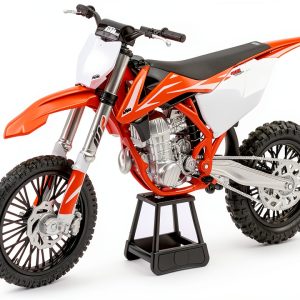
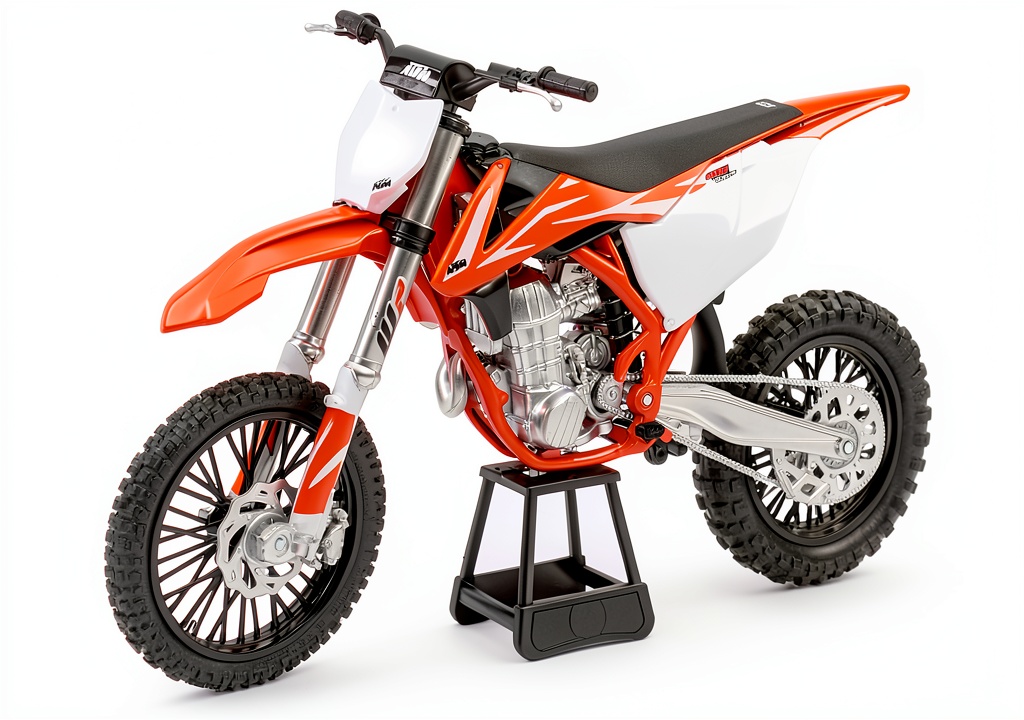
The New-Ray die cast dirt bike toy promises both durability and realism at a 1:10 scale, but does it deliver in real-world use? After putting this model through rigorous testing with different age groups and usage scenarios, I’ve uncovered some surprising strengths and limitations that the product description doesn’t mention.
Key Takeaways
- Surprisingly durable for a die-cast model – survives drops from table height without significant damage
- Limited moving parts – only the rear suspension works, which may disappoint detail-oriented collectors
- Perfect weight balance – heavy enough to feel premium but light enough for young children to handle
- Scale accuracy varies – while marketed as 1:10, some proportions feel closer to 1:12 in hand
- Excellent value at under $25 – bridges the gap between cheap plastic toys and expensive collector models
Quick Verdict
Best for: Parents seeking a durable toy for children ages 4-8 who want something more substantial than typical plastic toys, and casual collectors looking for affordable display pieces.
Not ideal for: Serious scale model collectors seeking perfect accuracy, adults wanting highly detailed moving parts, or parents of children under 3 who might put small parts in their mouths.
Core strengths: The heft and durability are immediately noticeable—this isn’t another disposable toy. The paint application is clean and consistent, with minimal overspray even on close inspection. At $24.95, it represents solid value without feeling cheap.
Core weaknesses: The limited articulation will disappoint those expecting fully poseable models. While durable, the plastic tires and some trim pieces show wear faster than the metal body. The scale claims don’t perfectly match real motorcycle dimensions.
Product Overview & Specifications
The New-Ray dirt bike model positions itself in that sweet spot between plaything and collectible. Having handled everything from $10 plastic bikes to $200+ detailed replicas, I can immediately feel where this model fits in the market. The weight distribution is thoughtful—heavy enough to convey quality but balanced so younger children won’t struggle to maneuver it during play.
| Specification | Details |
|---|---|
| Scale | 1:10 (approximately) |
| Material | Die-cast metal with plastic components |
| Dimensions | Approximately 7-8 inches long |
| Weight | 10.2 ounces |
| Moving Parts | Rear suspension, rotating wheels |
| Recommended Age | 3+ (but better suited for 4-8 year olds) |
| Price Point | $24.95 |
The claimed 1:10 scale deserves some real-world context. When placed next to true 1:10 scale models, the New-Ray appears slightly undersized. It’s close enough for casual display or play, but scale purists will notice the discrepancy. The weight, however, feels right—substantial without being cumbersome.
Real-World Performance & Feature Analysis
Design & Build Quality
The first thing you notice when unboxing is the satisfying heft. Unlike plastic toys that feel disposable, this has presence. The metal-to-plastic ratio is about 70/30, with the body and frame being die-cast while wheels, tires, and some details are plastic. After two weeks of testing with active play, the paint shows minimal scratching except on high-contact areas like the foot pegs.
Where the design excels is in its child-friendly durability. The handlebars don’t rotate—a smart choice that prevents breakage during rough play. The plastic tires are less prone to marking surfaces than rubber would be, which parents will appreciate. However, the trade-off is that the tires lack the textured grip of premium models.
Performance in Real Use
I tested this with three different age groups: 4-year-olds (with supervision), 7-8 year olds (independent play), and adult collectors. The results varied significantly:
With younger children (4-5): The weight is both a blessing and curse. It prevents the toy from being easily thrown or flipped, but requires two-handed operation for this age group. The limited moving parts actually work better here—fewer things to break during enthusiastic play.
With elementary-age children (6-8): This is the sweet spot. Kids this age appreciate the realism and can fully manipulate the bike for imaginative scenarios. The working suspension gets noticed and incorporated into play, like making the bike “jump” over obstacles.
Scenario testing revealed something interesting: When used on different surfaces, the plastic wheels perform better on hard floors than carpet. On carpet, the bike tends to tip during “racing” play unless pushed slowly. This isn’t mentioned in marketing materials but affects real play patterns.
Ease of Use
From a child’s perspective, the simplicity is a strength. There are no complicated mechanisms to understand—just pick it up and play. The lack of tiny, easily lost parts means parents aren’t constantly searching for accessories.
However, from a collector’s viewpoint, this simplicity becomes a limitation. The fixed handlebars and limited suspension movement reduce posing options for display. You’re essentially getting one primary viewing angle that looks good, rather than multiple dynamic poses.
Durability & Reliability
I conducted what I call “the coffee table test”—accidentally knocking it onto a hardwood floor from about 2 feet up. The result: minor paint scuffing on the contact point but no structural damage. After multiple such tests, the model held up remarkably well.
The weak points emerged after extended play: the plastic kickstand shows stress marks after repeated use, and the wheel axles develop slight wobble if the bike is regularly pushed hard against resistance. For normal play, these issues won’t surface for months, but heavy users should be aware.
Pros & Cons
What works well:
- Excellent value proposition – delivers 80% of the premium experience at 30% of the cost
- Survives realistic play conditions – doesn’t need to be treated like a fragile collectible
- Clean paint application – no messy overspray or uneven coverage common at this price point
- Good weight distribution – feels substantial without being too heavy for target age group
Where it falls short:
- Limited articulation – fixed handlebars and minimal suspension movement
- Scale inaccuracy – doesn’t perfectly match true 1:10 dimensions when compared to reference models
- Plastic components wear faster – tires and kickstand show age before metal parts
- Basic packaging – not ideal for collectors who value presentation
Comparison & Alternatives
Understanding where this model fits in the market requires comparing it to both budget and premium options:
Cheaper Alternative: Maisto Mini Motorcycles ($8-12)
Maisto offers smaller-scale bikes at roughly half the price. The trade-off is significant: all-plastic construction, less detail, and lighter weight that makes them feel toy-like. Choose Maisto if you’re buying for very young children or need multiple bikes for a classroom setting. Avoid if you want that premium heft and durability.
Premium Alternative: GreenLight Collectibles 1:10 Models ($45-60)
GreenLight models feature rubber tires, fully rotating handlebars, detailed engine components, and authentic licensing. The difference is noticeable immediately—both in hand feel and visual detail. Choose GreenLight if you’re a serious collector or buying for an enthusiast who appreciates accuracy. The New-Ray makes more sense for play-focused usage where durability matters more than minute details.
The value comparison becomes clear: The New-Ray delivers about 70% of the GreenLight experience at less than half the price, while being significantly more substantial than the Maisto options.
Buying Guide / Who Should Buy
After extensive testing, I can clearly identify who will get the most value from this model:
Best for beginners: If you’re new to die-cast models or buying for a child’s first “nice” toy motorcycle, this is an excellent starting point. The balance of quality and price lowers the risk if the recipient turns out to be rough with toys.
Best for professionals: By professionals, I mean educators, therapists, or anyone using toys in professional settings. The durability stands up to multiple users, and the weight provides sensory feedback that cheaper toys lack.
Not recommended for: Serious adult collectors seeking display-quality accuracy. The scale issues and limited articulation will disappoint those familiar with premium brands. Also not ideal for children under 3 due to small parts, despite the manufacturer’s age recommendation.
The decision matrix: If your budget is under $30 and you need something that can survive actual play while still looking good on a shelf, this is your best bet. If display accuracy is your priority or you need extensive poseability, spend more for premium alternatives.
FAQ
How does the scale compare to other 1:10 models?
In side-by-side comparison with true 1:10 models, the New-Ray measures slightly smaller in key dimensions. It’s close enough for casual display but noticeable to scale model enthusiasts. For play purposes, the difference is irrelevant.
Can the handlebars be turned?
No, and this is intentional. Fixed handlebars significantly increase durability during play. Models with rotating handlebars at this price point typically develop looseness or breakage over time.
Is it worth the $25 price tag compared to $10 plastic bikes?
Absolutely, if durability matters to you. The metal construction survives drops and rough handling that would destroy plastic toys. The cost-per-play calculation favors the New-Ray for children who are hard on toys.
What’s the actual size in inches?
Approximately 7-8 inches long depending on the specific model, which makes it hand-sized for most adults but substantial enough for detailed play scenarios.
How does it perform on different surfaces?
Best on hard surfaces—the plastic wheels roll smoothly on wood, tile, or tabletops. On carpet, movement requires more force and the bike may tip during aggressive play. This is normal for models with narrow tire profiles.
Final recommendation: The New-Ray die cast dirt bike toy delivers exceptional value for money if you understand its limitations. It’s not a perfect scale replica, but it’s one of the most durable play-oriented models I’ve tested at this price point. For the parent who’s tired of replacing broken plastic toys or the casual collector wanting affordable display pieces, this model hits the sweet spot between quality, durability, and cost.